Tomorrow, 1 February, we celebrate Imbolc – a land-based festival rooted in ancient Celtic traditions, honouring the subtle transition from the cold, dark winter days into the promise of warmth and new beginnings.
This seasonal celebration prepares us for the abundance of Spring.
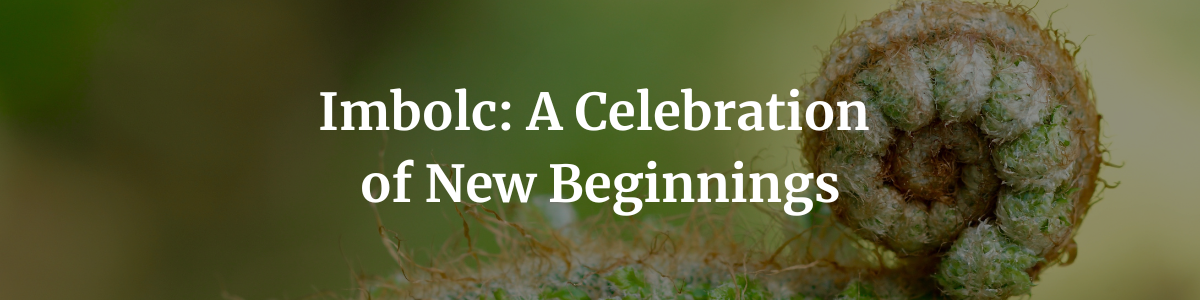
Imbolc name comes from the Old Irish word imbolg, meaning “in the belly” — a nod to the fertile potential growing quietly beneath the surface.
It’s a time to connect with the shift in the seasons and, more importantly, the spark of hope and renewal that we can nurture within ourselves.
Imbolc on the Wheel of the Year: A Moment for Reflection
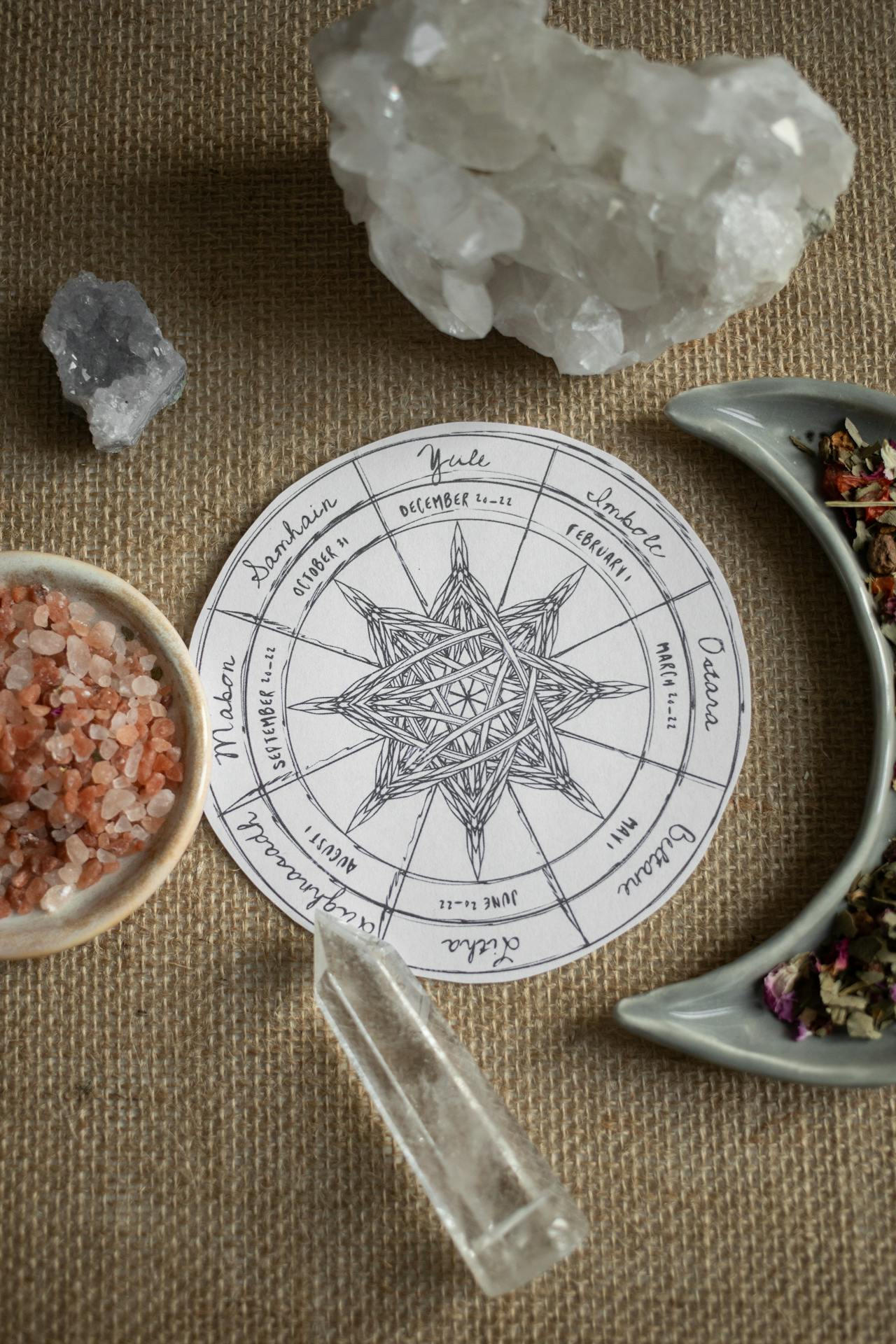
Imbolc is a pivotal time, a moment to pause and reflect on what we’ve weathered through the cold months and to look ahead with intention toward the growth and abundance that spring promises.
It sits halfway between the winter solstice (Yule) and the spring equinox (Ostara) on the Wheel of the Year. The Wheel of the Year is a cyclical calendar marking seasonal changes and traditional, land-based pagan festivals.
Imbolc’s symbolism extends beyond the physical signs of spring. It signifies inner awakening and the spark of inspiration.
While the world around us may still be in the early, quieter phases of spring, Imbolc invites us to honor the quiet stirring of our own inner landscapes.
What seeds are you ready to plant — both physically and metaphorically? What dreams are just beginning to take root within you?
The Heart of Imbolc: Honoring Brigid
At the centre of Imbolc is Brigid, the Celtic goddess of poetry, healing, and Smithcraft (iron work). She is the flame that ignites creativity, the healer that mends, and the artisan who shapes new life.
Brigid represents the return of light in both the literal and metaphorical sense — the return of warmth, inspiration, and growth.
In later Christian traditions, Brigid was amalgamated with Saint Brigid, but the energy of the original goddess still pulses strongly today, particularly within modern witchcraft and pagan practices.
Whether you view her as a goddess or simply as an archetype of creativity and transformation, Brigid offers us a deep well of inspiration and empowerment at this time of year.
Imbolc in Modern World: Nurturing Growth and Resilience
In the midst of our busy, modern lives, Imbolc offers us an opportunity to pause, reflect, and reconnect with nature’s rhythms. It’s a time to honour our growth, even if it’s still in the early stages, and to remember that everything we’re working toward takes time. The themes of hope, renewal, and patience are as relevant today as ever.
For those who are on a spiritual path, Imbolc is a powerful moment to:
- Reignite creative projects that may have been dormant during the winter months
- Reconnect with your own sense of inner wisdom and the divine feminine
- Celebrate the small victories and progress you’ve made, knowing that every step counts
Even if you don’t identify with any particular spiritual tradition, the energy of Imbolc offers something for everyone: the reminder that growth happens in cycles, that new beginnings are always possible, and that we can always start again.
Journaling Prompts for Renewal and Growth
- What seeds do I want to plant in my life this year, and how can I nurture them?
- What areas of my life feel stagnant, and what steps can I take to bring them back to life?
- How can I honor my inner light and let it shine more brightly in the months ahead?
- What lessons did I learn during the winter, and how can I carry them into the spring?
- What does balance mean to me, and how can I create more of it in my daily life?
How to Celebrate Imbolc
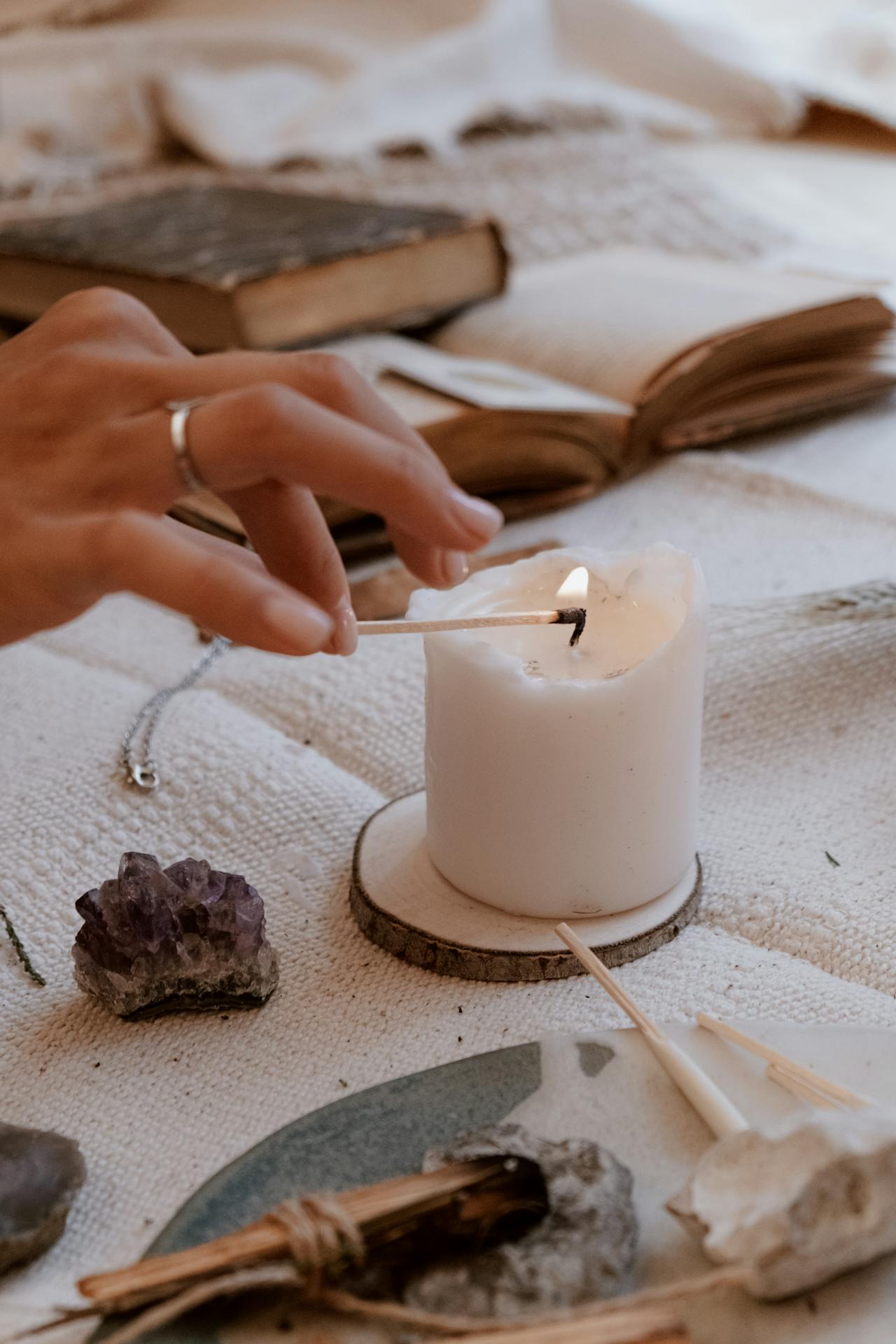
Whether you approach Imbolc with deep reverence for its ancient roots or simply as a way to reconnect with nature’s rhythms, there are so many ways to honour this time of year.
Here are a few simple practices that can help you tap into the energy of this season:
- Light Candles to Welcome the Return of the Light
Imbolc is a festival of light, and what better way to honour that than by lighting candles in your space? Candles symbolise the growing strength of the sun, and they also help create a sacred, reflective atmosphere for your rituals and journaling using the prompts above. - Embrace Spring Cleaning
Spring cleaning isn’t just a way to tidy up — it’s a powerful ritual of renewal. Use this time to clear away physical clutter and stagnant energy. - Celebrate with Seasonal Foods
What you eat during Imbolc can also connect you with the energy of the season. Traditional Imbolc foods often include dairy, root vegetables, and grains, especially fresh bread — all foods that symbolise the earth’s nurturing energy. Share a meal with loved ones; it can be a moment of connection and joy. - Plant Seeds — Literally or Figuratively
This is a perfect time to plant something — whether it’s seeds in your garden or seeds of intention in your life. Take some quiet time to reflect on what you want to bring into being this year. Write down your goals and dreams, then symbolically plant them by burying the paper in the soil. - Make a Brigid’s Cross
Creating a Brigid’s Cross is an ancient practice that serves as a protective charm for your home. You can make one from straw, wheat, or paper. Hang it in your home as a symbol of blessings, new beginnings, and the power of creativity.
Tuning Into the Energy of Imbolc
Imbolc is more than just a physical celebration; it’s an invitation to align with the deeper rhythms of nature and our own inner cycles. The energies of this season can help us move forward with renewed inspiration, creativity, and a sense of purpose.